Maximize Job Search Success: Track 4 Key Metrics


Job searching can be overwhelming, especially if you try to track too many details. Instead of getting bogged down, focus on these four essential metrics:

  1. Number of Applications Sent

    • Track how many jobs you've applied to. This helps you gauge your outreach efforts and ensure you're applying to enough positions to increase your chances.
  2. Number of Submissions by Recruiters

    • Keep a record of how many times recruiters have submitted your resume to potential employers. This metric reflects the effectiveness of your resume and the relationships you have with recruiters.
  3. Number of Interviews Secured

    • Monitor how many interviews you are getting. This will help you understand if your applications are compelling and if you're targeting the right job opportunities.
  4. Number of Offers Received

    • Ultimately, the goal is to get job offers. Track the offers you receive to measure the success of your job search strategy and make necessary adjustments.

By focusing on these four key metrics, you can streamline your job search, reduce stress, and increase your chances of landing the right job.

Gary Vee: Day Trading Attention

Gary Vee: Day Trading Attention

Treat yourself like a company and market your skills like you were selling a product.


7 Steps to Your IT Consulting Job

Embark on your journey towards your dream IT career with our comprehensive seven-step guide! From refining your resume to securing the ideal job, we'll guide you through every stage of the process. Let's transform your aspirations into achievements together!


1. Update your resume: Express your authentic voice by infusing your resume with elements that showcase your unique personality, values, and passions alongside relevant skills and achievements. Write in a tone that reflects your natural style, allowing your authentic voice to shine through. Focus on aligning your resume with your career goals, values, and aspirations, highlighting how your blend of skills and experiences resonates with the culture and mission of your target organizations.

2. Update the job boards with the same information: Be thorough: Ensure that your profiles on job boards like LinkedIn, Indeed, or any industry-specific platforms are up-to-date with the same information as your resume.
Optimize for keywords: Use relevant keywords in your profiles that align with the roles you're targeting. This will increase the chances of your profile appearing in recruiter searches.
Keep it consistent: Make sure there's consistency between your resume and your online profiles to avoid confusion or suspicion from recruiters.

3. Apply, Apply, Apply: Cast a wide net: Don't limit yourself to a few job applications. Apply to a variety of roles that match your skills and interests.
Do not customize your applications: Seek to find a match in fit and personality. Highlight how your skills and experiences align with the organization or company.
Follow up: After submitting applications, follow up with recruiters or hiring managers to express your continued interest and inquire about the status of your application.

4. Answer every email and phone call from a recruiter: Be responsive: Promptly respond to any communication from recruiters, even if you're not interested in the opportunity. It's essential to maintain a positive and professional reputation within the industry.
Ask questions: Take the opportunity to ask questions about the role, company culture, and any other relevant details to determine if it's the right fit for you.
Keep the lines of communication open: Even if you're not currently looking for a job, maintaining a relationship with recruiters can be beneficial for future opportunities or industry insights.

5. Go to every interview: Prepare thoroughly: Research the company, review common interview questions, and practice your responses. Tailor your answers to showcase how your skills and experiences make you the ideal candidate for the role.
Demonstrate enthusiasm: Show genuine interest in the company and the role during the interview. Ask insightful questions and engage with the interviewer to demonstrate your enthusiasm and passion for the opportunity.
Follow up: Send a thank-you email after the interview to express your appreciation for the opportunity and reiterate your interest in the position.

6. Accept an offer: Consider factors such as salary, benefits, company culture, career growth opportunities, and work-life balance when evaluating job offers.
Negotiate if necessary: If the initial offer doesn't meet your expectations, don't be afraid to negotiate. Research industry standards and articulate your value to the company to negotiate a fair compensation package.
Make an informed decision: Once you've weighed all the factors, make a decision that aligns with your career goals and aspirations.

7. Gracefully leave your current job and start your new job: Provide notice: Give your current employer sufficient notice of your resignation in accordance with company policies and your employment contract.
Offer to assist with the transition: During your notice period, offer to train your replacement, document your workflows, and assist with any necessary handovers to ensure a smooth transition.
Maintain professionalism: Leave on good terms with your current employer. Express gratitude for the opportunities you've had and leave behind a positive impression as you embark on the next chapter of your career.

As you take the first steps towards your dream IT career, remember that success is a journey, not a destination. To further enhance your skills and propel your career forward, consider enrolling in our Personal Job Pipeline course. For more information and to begin your journey towards success, reach out to Andy at andy@40x50.com. Your dream job awaits, and we're here to support you every step of the way!

WAKE FORREST: ARTIFICIAL INTELLIGENCE AND THE JOB SEARCH

 From: https://news.wfu.edu/2024/05/15/grads-start-early-embrace-ai-tools-for-job-market-success/


ARTIFICIAL INTELLIGENCE AND THE JOB SEARCH 

Sociology and history major Ashani Davis plans to go to law school, but she’s planning to work for two years after graduation to learn more about the field. Davis, a first-generation student whose family immigrated from Jamaica, used AI for her research to land a job at Morgan Stanley Legal & Compliance in New York.

Courtesy of Ashani Davis portrait

Ashani Davis

“It’s challenging to navigate the job market if no one in your family or social group is in an industry you want to get into,” said Davis. “I looked up job descriptions and the skills that were required. Then I connected the skills I learned in history and sociology classes – organization, attention to detail, and communication –  to my application.”

AI is revolutionizing the job search, helping students to identify where their skill sets are sought in the workplace, and what kinds of skills are valued in different industries. Platforms like Chat GPT and similar virtual assistants act as connectors by finding industries and employers matching the job seeker’s skills and qualifications.

Students use AI to enhance resumes, generate cover letters and ideate, freeing up time to focus on other aspects of their job search. Eyadiel sees AI as an equalizer, especially for liberal arts majors. 

“Students need tools and resources to succeed in a rapidly changing job market,” said Eyadiel said. “AI helps from an equity perspective, especially for underrepresented and first-generation students. It’s positively changing the world of recruiting and beyond.”

How to build a brand in 7 minutes - Gary Vee

 How to build a brand in 7 minutes - Gary Vee


Master Your Resume: Create Effective Versions


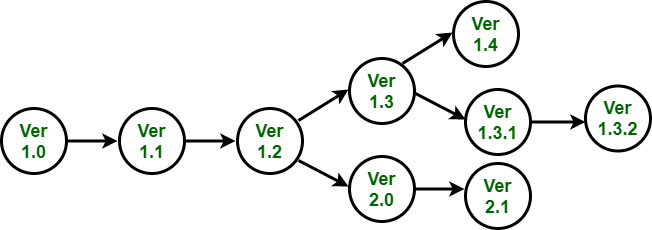
Have you ever stopped to count how many resumes you’ve developed over the years? For many, the number is surprisingly high, reflecting the various stages of their careers and the different job markets they’ve navigated. Each resume represents a snapshot of your professional journey, tailored to showcase your skills, experiences, and achievements. However, creating multiple resumes isn’t just about quantity—it's about quality and relevance. Each version should be evaluated and crafted to highlight the aspects of your background that align most closely with the contract you’re targeting.


But how do you know if a resume version is effective? The key indicators are the responses you receive. If you’re landing interviews, your resume is likely effectivly marketing your skills and abilities. Additionally, feedback from industry professionals or mentors can provide invaluable insights. They can point out areas for improvement that you might have overlooked. Tools like Applicant Tracking Systems (ATS) can also help gauge effectiveness, ensuring that your resume is formatted and keyword-optimized to pass through initial automated screenings.


Having multiple versions of your resume is essential in today’s competitive job market. Tailoring your resume for different roles shows employers that you understand their specific needs and have the relevant skills and experiences to meet them. To create effective versions, start by analyzing job descriptions and identifying the key requirements. Then, adjust your resume to emphasize the qualifications and accomplishments that match those requirements. Remember, a one-size-fits-all approach rarely works in job applications. Instead create a resume that is taylored to your ideal role. Then spend your time applying for the roles that match your criteria. By developing a targeted resume, you increase your chances of standing out and securing that coveted interview for the role that you want. 

Transform Your Inbox: Get More Job Requests!

When life throws you a curveball, sometimes the best thing you can do is pivot with purpose. This was exactly my mindset when I faced an unexpected cancellation of a contract. The sudden loss left me reeling, but instead of succumbing to panic, I resolved to turn this setback into a launching pad for something better. I knew that the key to my professional stability lay in my ability to attract new opportunities, so I committed myself to developing a foolproof system to fill my inbox with job requests.


As I drove home, the weight of having to break the news to my wife pressed heavily on my mind. However, alongside the anxiety was a spark of determination. I began to mentally outline a step-by-step method that could consistently generate job leads. I reflected on past successes and failures, identifying what had worked and what hadn't. By the time I walked through my front door, I had the skeleton of a plan that I was eager to flesh out and refine. My goal was not only to regain my lost contract but to build a robust pipeline that would safeguard against future uncertainties.

The process of creating this method was both challenging and enlightening. It required me to dig deep into networking strategies, optimize my online presence, and master the art of follow-up communications. With each tweak and adjustment, my system became more effective, eventually leading to a steady stream of job requests. What started as a crisis evolved into a transformative journey that fortified my career and expanded my professional network. Now, I'm eager to share this method with others facing similar challenges, proving that with the right mindset and approach, any setback can be turned into an opportunity for growth.