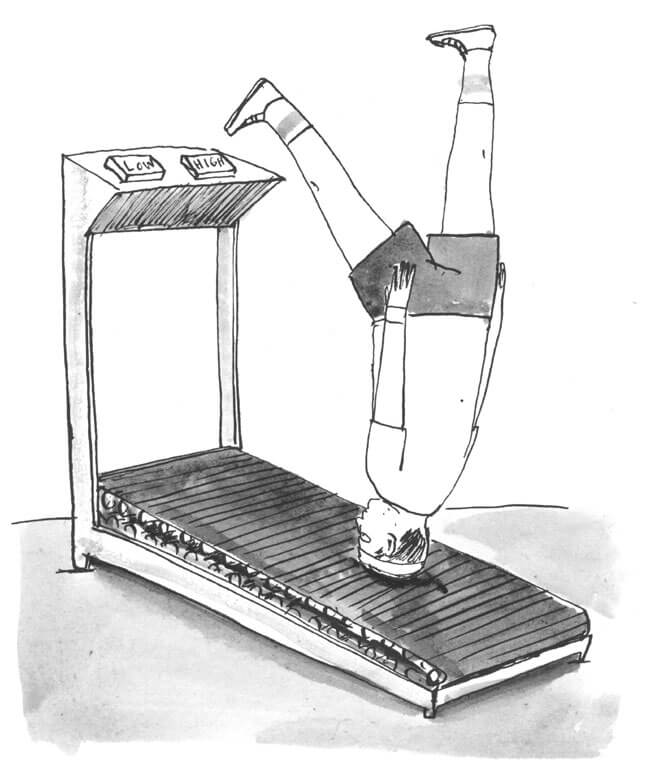
Candidates who ask these questions don't remain candidates for long
John Kador, author of "301 Best Questions to Ask on Your Interview"
What were they thinking? Whenever I talk to human-resources professionals or recruiters, I always ask them to tell me the worst question they were ever asked in a job interview. How could any applicant actually believe questions like these are in his interests?
Unfortunately, job seekers continue to ask dumb questions every day. These questions demonstrate poor judgment and effectively ensure their rejection.
It's hard to generalize about such stunningly bad interview questions, but they all are "me" questions. These are questions that appear to put your needs before those of the employer. The best interview questions focus on what the applicant can do for the company, not what the company can do for applicant.
Be certain that the questions you ask don't raise barriers or objections. For example, don't ask, "Is relocation a necessary part of the job?"
The very question raises doubts about your willingness to relocate. Even if the person selected for the position is not tracked for relocation, the negativity of the question makes the hiring manager wonder whether you are resistant in other areas as well.
If the issue of relocation is important to you, by all means ask, but go with a phrasing that reinforces your flexibility, not challenges it. A good approach: "I'm aware that relocation is often required in a career and I am prepared to relocate for the good of the company as necessary. Could you tell me how often I might be asked to relocate in a five- or 10-year period?"
Here are five more bad questions you might be tempted to ask and what hiring managers will think when they hear them:
What you ask: Is job-sharing a possibility?
What they think: Possibly, but does this mean you can't give us a commitment for full-time work?
What you ask: Can you tell me whether you have considered the incredible benefits of telecommuting for this position?
What they think: Why do you want to get out of the office before you have even seen it?
What you ask: I understand that employee paychecks are electronically deposited. Can I get my paycheck in the old-fashioned way?
What they think: You are already asking for exceptions. What's next? And are you afraid of technology?
What you ask: I won't have to work for someone with less education than I have, will I?
What they think: You clearly have a chip on your shoulder. Why should we take a chance that you don't have other interpersonal issues?
What you ask: The job description mentions weekend work. Are you serious?
What they think: We're serious about the job description. We're suddenly less serious about you.
John Kador is the author of "301 Best Questions to Ask on Your Interview" (McGraw-Hill, 2010) and other business books. He can be reached at jkador@jkador.com
 One complaint from many job seekers is that they can’t seem to get recruiters to call them back when they’re looking for a job. You’d think they’d love an opportunity to place a good candidate… so why don’t they call? They often know the market in their field of specialization better than most people. Is there anything you can do to get them to be a little more proactive in helping you find a job?
 The catch-22 of being unemployed and being unable to pay the bills, and thus being unable to get a job because of bad credit, is ending, at least in Illinois.
 Jobs offering